
Magdalena van de Passe (1600-1638)

Actualizado: 7 jul

Tal día como hoy, el 22 de enero de 1638, fue enterrada en Utrecht la grabadora Magdalena van de Passe.
Nació en el año 1600 en Colonia, en una familia de artistas grabadores neerlandeses.
Fue hija y discípula del grabador Crispijn van de Passe el Viejo (1564-1637), así como hermana de Simon, Crispiijn II y Willem, todos ellos trabajadores en el mismo taller paterno.
Magdalena firmó sus primeros trabajos con sólo 14 años, dos años antes que sus hermanos, y alcanzó durante su vida una enorme reputación.
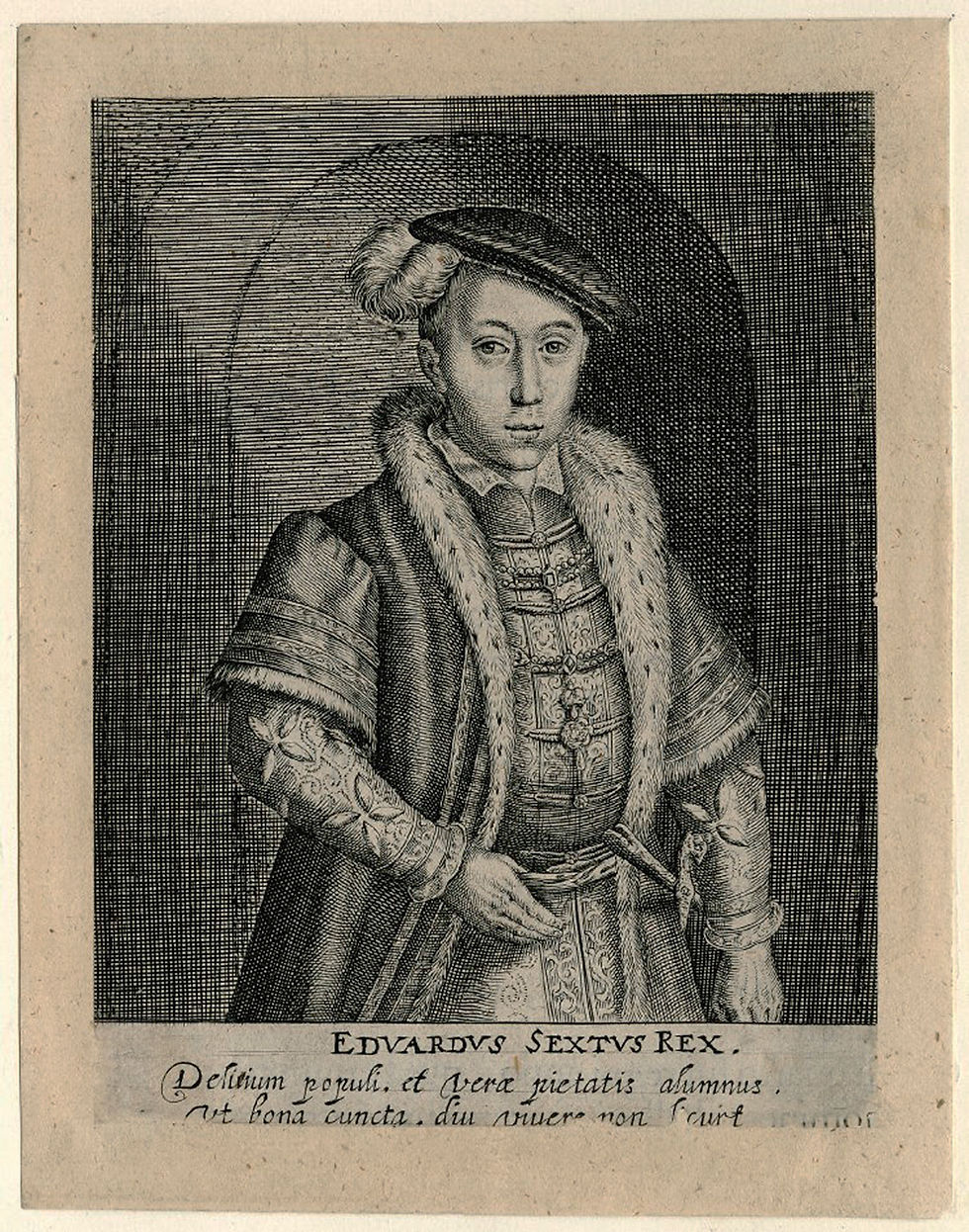
Se especializó en el retrato, los temas mitológicos y religiosos, así como en la reproducción de paisajes.
Magdalena van de Passe ejerció también de maestra, instruyendo en las técnicas calcográficas a la escritora y educadora germano-holandesa Anna Maria van Schurman (1607-1678).
Uno de los proyectos más ambiciosos que emprendió Magdalena van de Passe, pero que dejó inconcluso al morir, fue la serie de ilustraciones que ejecutó para la traducción de “Las metamorfosis de Ovidio”, editado finalmente en 1677.
Cuando contaba 33 o 34 años contrajo matrimonio con el artista Frederick van Bevervoordt, quien falleció dos años más tarde, y entonces ella abandonó su labor artística.
Sus obras se conservan en el British Museum, la National Portrait Gallery de Londres, el Rijksmuseum de Ámsterdam o el Museum Boijmans Van Beuningen de Rotterdam.
On this day, 22 January, 1638, the engraver Magdalena van de Passe was buried in Utrecht.
She was born in 1600 in Cologne into a family of Dutch engravers. She was the daughter and pupil of the engraver Crispijn van de Passe the Elder (1564–1637), as well as the sister of Simon, Crispijn II, and Willem, all of whom worked in their father's workshop.
Magdalena signed her first works at just 14 years old, two years before her brothers, and achieved an enormous reputation during her lifetime. She specialized in portraiture, mythological and religious themes, as well as the reproduction of landscapes.
Magdalena van de Passe also worked as a teacher, instructing the German-Dutch writer and educator Anna Maria van Schurman (1607–1678) in chalcographic techniques.
One of the most ambitious projects Magdalena van de Passe undertook, but left unfinished upon her death, was a series of illustrations executed for the translation of Ovid's Metamorphoses, which was finally published in 1677.
When she was 33 or 34 years old, she married the artist Frederick van Bevervoordt, who passed away two years later, after which she abandoned her artistic practice.
Her works are preserved today at the British Museum, the National Portrait Gallery in London, the Rijksmuseum in Amsterdam, and the Museum Boijmans Van Beuningen in Rotterdam.



Comentarios