
Mary Linwood (1755-1845)

Actualizado: 3 jun

Tal día como hoy, el 18 de julio de 1755, fue bautizada en la iglesia de St. Martin en Birmingham la artista textil británica Mary Linwood.
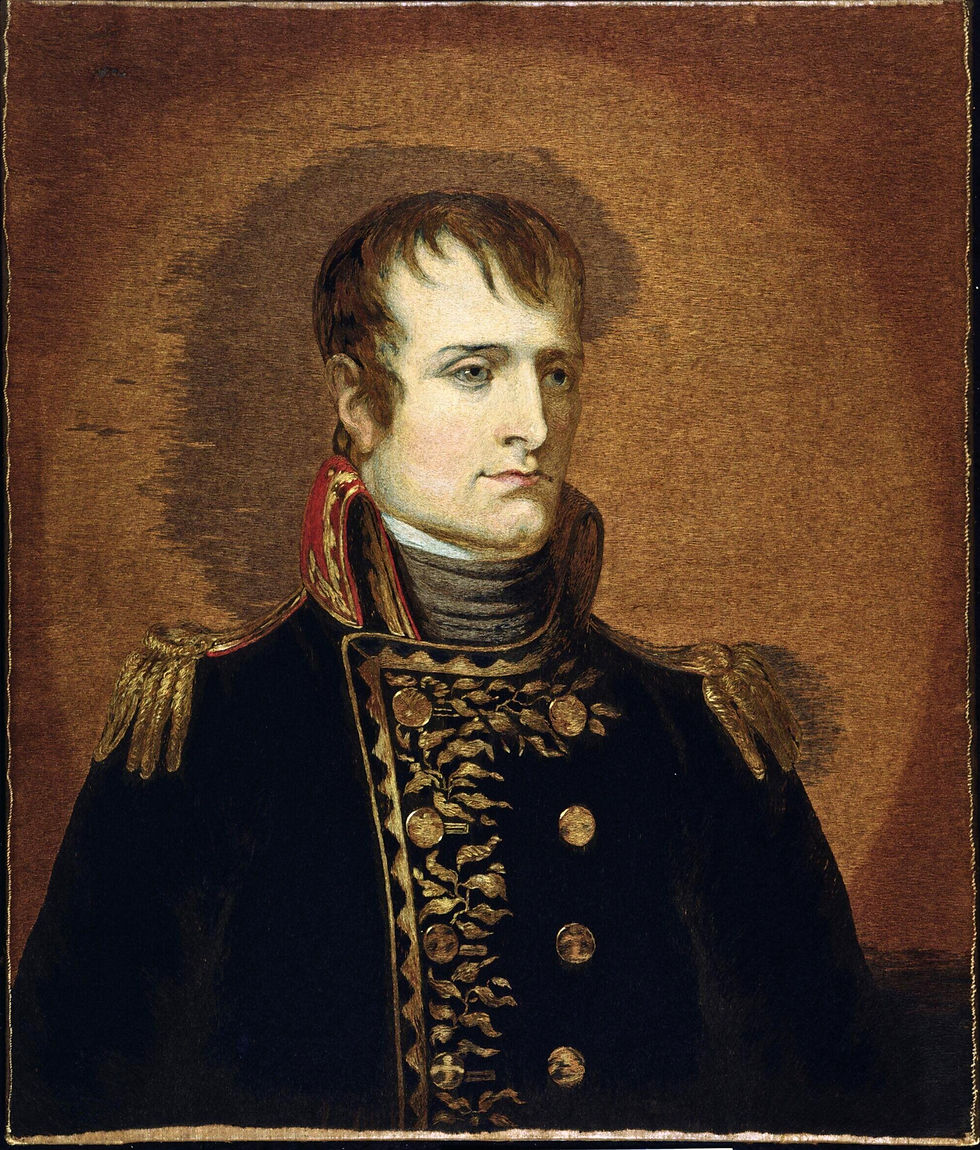
Cuando tenía 9 años, al quebrar la empresa de su padre la familia tuvo que trasladarse a Leicester. Allí, su madre abrió un colegio internado para mujeres, donde Mary trabajó asumiendo las labores de dirección durante toda su vida hasta un año antes de fallecer. Paralelamente, se dedicó a realizar trabajos bordados sobre lienzo en los que reproducía versiones de obras maestras de la pintura. Su primera imagen bordada la ejecutó a los 13 años y hacia 1775 ya era una artista textil reconocida que recibía y vendía multitud de encargos.
En 1786 su trabajo atrajo la atención de la Familia Real y fue invitada al Castillo de Windsor por la Reina consorte Carlota de Mecklemburgo, quien la invitó al Castillo de Windsor junto a otras dos artistas, la collagista Mary Delany (1700-1788) y la artista textil Mary Knowles (1733-1807). Mary Linwood inauguró en Londres la primera exposición de sus trabajos en The Pantheon, en Oxford Street. En 1776 y 1778 participó en la exposición de la Society of Artists. En 1787 expuso un paisaje bordado realizado a partir un cuadro del pintor barroco napolitano Salvator Rosa (1615-1673), el cual fue vendido por un precio más alto que el del cuadro original.
En 1809 inauguró su propio espacio expositivo permanente en Leicester Square en Londres, que era el taller del pintor Sir Joshua Reynolds, y permaneció abierto como sala de exposiciones con un gran éxito de público hasta el mismo año que falleció en 1845.
Durante su visita anual a su exposición en Londres, Mary Linwood contrajo la gripe y murió a los 89 años.
Su obra se conserva en la Colección Real Británica, el Victoria & Albert Museum y el Bowes Museum en Barnard Castle, UK.
En el año 2025 se inauguró una exposición monográfica de Mary Linwood en Leicester Musem & Art Gallery bajo el título "Mary Linwood, Arte, Costura y Vida" ("Mary Linwood: Art, Stitch and Life"), que fue comisariada por la artista e investigadora textil británica Ruth Singer y ella se reunieron 14 obras bordadas originales, además de material documental.
On this day, 18 July, 1755, the British textile artist Mary Linwood was baptized at St. Martin's Church in Birmingham.
When she was nine years old, her family relocated to Leicester following the bankruptcy of her father's business. There, her mother opened a boarding school for young women, which Mary managed for most of her life until a year before her death. Alongside her teaching duties, she dedicated herself to creating embroidered copies on canvas of painted masterworks. She executed her first embroidered image at age 13, and by 1775, she was already a recognized textile artist with a high volume of commissions.
In 1786, her talent caught the attention of the Royal Family, leading to an invitation to Windsor Castle by Queen Charlotte, where she joined fellow artists Mary Delany (1700-1788) and Mary Knowles (1733-1807). Mary Linwood held her first London exhibition at The Pantheon on Oxford Street. She also participated in the exhibitions of the Society of Artists in 1776 and 1778. Notably, in 1787, she exhibited an embroidered landscape based on a painting by the Neapolitan Baroque painter Salvator Rosa, which sold for a higher price than the original canvas.
In 1809, she opened her own permanent exhibition space at Leicester Square in London—the former studio of Sir Joshua Reynolds. It remained a highly successful public attraction until the year of her death in 1845.
While on her annual visit to her London exhibition, Mary Linwood contracted influenza and passed away at the age of 89.
Her work is preserved today in the British Royal Collection, the Victoria and Albert Museum, and the Bowes Museum in Barnard Castle.
In 2025, a monographic exhibition dedicated to her work, titled "Mary Linwood: Art, Stitch and Life", opened at the Leicester Museums & Art Gallery. Curated by the British textile artist and researcher Ruth Singer, the exhibition brought together 14 original embroidered pieces alongside archival material.




Comentarios