
Ende (siglo X)

Actualizado: 14 may
Tal día como hoy, pudo haber nacido en el norte de España a mediados del siglo X una iluminadora de manuscritos llamada Ende.
Ella es la primera mujer artista española de la que se tiene constancia y también una de las primeras de Europa.
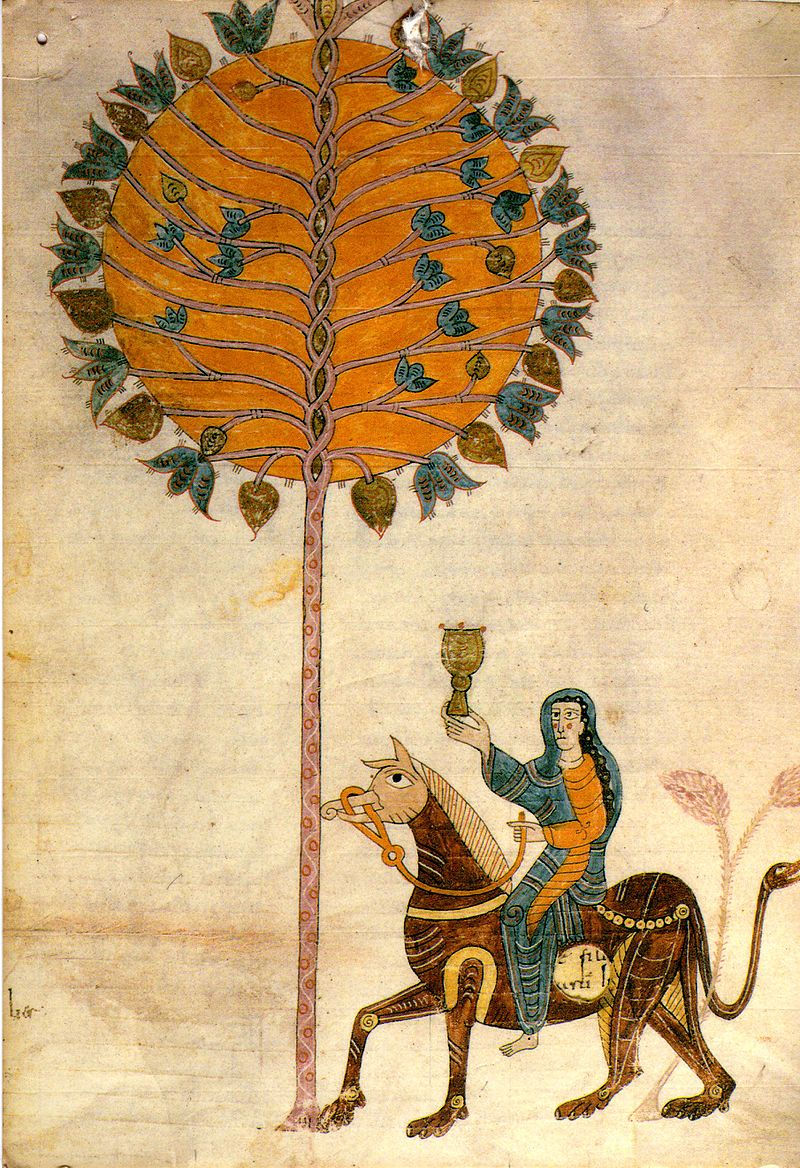
Ende ha pasado a la historia por ser una de los dos autores responsables en iluminar el Beato de Gerona, cuya edición está fechada exactamente el día 6 de julio del año 975.
Este códice fue realizado en el scriptorium del desaparecido monasterio de San Salvador de Tábara, en la provincia de Zamora. La firma de Ende junto con la de otro iluminador, el hermano Emeterio, se encuentran al final del manuscrito. El libro está ejecutado sobre pergamino y consta de 114 miniaturas de estilo mozárabe, donde destacan la riqueza de las aportaciones bizantinas y persas, además de los elementos decorativos islámicos y la expresividad del arte primitivo hispánico. El año 1078 fue donado a la Catedral de Gerona y allí se conserva en la actualidad.
On this day, in the mid-10th century, a manuscript illuminator named Ende may have been born in northern Spain.
She is the first recorded female artist in Spain and also one of the first in Europe.
Ende has gone down in history as one of the two authors responsible for illuminating the Gerona Beatus (Beato de Gerona), an edition dated exactly July 6, 975. This codex was created in the scriptorium of the now-vanished monastery of San Salvador de Tábara, in the province of Zamora. Ende’s signature, along with that of another illuminator, Brother Emeterio, can be found at the end of the manuscript.
The book is executed on parchment and consists of 114 miniatures in the Mozarabic style. It is notable for its rich Byzantine and Persian influences, as well as Islamic decorative elements and the expressiveness of primitive Hispanic art. In the year 1078, it was donated to the Cathedral of Gerona, where it is still preserved today.


Comentarios