
Hildegard von Bingen (1098-1179)

Actualizado: 14 may

Tal día como hoy, el 17 de septiembre de 1179, murió a los 81 años la polifacética Hildegard von Bingen.
Fue abadesa benedictina de dos monasterios, líder monacal, filósofa, naturalista, literata, filóloga, médica, visionaria mística y compositora de más de 70 obras de música litúrgica.
Es conocida como la “Sibila del Rin” y está considerada la precursora de la Historia natural científica en Alemania.
Nació en el año 1098 en Bermersheim vor der Höhe (Rheinland-Pfalz) y con sólo ocho años fue entregada por sus padres a la Iglesia. Fue una auténtica erudita y llegó a convertirse en una de las figuras eclesiásticas más poderosas e influyentes de la Baja Edad Media. A lo largo de su vida desarrolló una extensa obra que desborda una sabiduría exhaustiva en materias científicas, artísticas, filosóficas y teológicas.
Entre 1151 y 1158 escribió un innovador tratado de medicina titulado “Libro sobre las propiedades naturales de las cosas creadas” (Liber subtilitatum diversarum naturarum creaturarum), en el cual fue pionera en abordar específicamente la anatomía y fisiología femeninas, siendo la primera europea de la historia en describir el orgasmo sexual en la mujer.
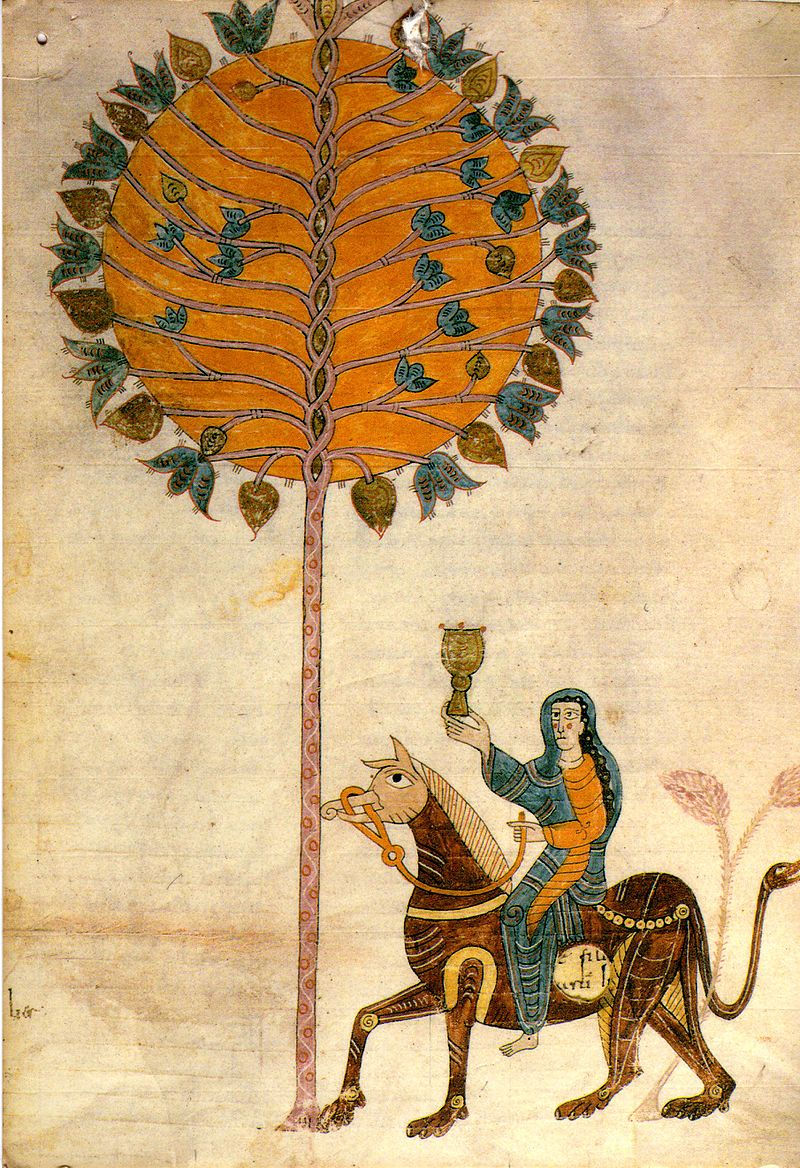
De toda su amplia producción inabarcable, cabe mencionar la calidad y el valor plástico de sus tres grandes manuscritos proféticos (Liber Scivias, Liber vitae meritorum y Liber divinorum operum), ilustrados con miniaturas elaboradas a partir de sus experiencias visionarias, que ella percibía como revelaciones divinas.
On this day, September 17, 1179, the multifaceted Hildegard von Bingen passed away at the age of 81.
She was the Benedictine abbess of two monasteries, a monastic leader, philosopher, naturalist, writer, philologist, physician, mystic visionary, and composer of more than 70 works of liturgical music. Known as the "Sibyl of the Rhine," she is considered the precursor of scientific natural history in Germany.
Born in 1098 in Bermersheim vor der Höhe (Rheinland-Pfalz), she was handed over to the Church by her parents at just eight years old. A true polymath, she rose to become one of the most powerful and influential ecclesiastical figures of the Late Middle Ages.
Throughout her life, she developed an extensive body of work that overflowed with exhaustive wisdom in scientific, artistic, philosophical, and theological matters.
Between 1151 and 1158, she wrote an innovative medical treatise titled "Book on the Natural Properties of Created Things" (Liber subtilitatum diversarum naturarum creaturarum). In this work, she was a pioneer in specifically addressing female anatomy and physiology, becoming the first European in history to describe the female orgasm.
Of her vast and boundless production, it is worth noting the quality and artistic value of her three great prophetic manuscripts (Liber Scivias, Liber Vitae Meritorum, and Liber Divinorum Operum). These were illustrated with miniatures based on her visionary experiences, which she perceived as divine revelations.



Comentarios