
Sibylla von Bondorf (1440-1500)

Actualizado: 15 may

Tal día como hoy, hacia el año 1440, pudo haber nacido en Alemania la iluminadora de manuscritos Sibylla von Bondorf.
Fue una monja Clarisa que perteneció a la Orden de las Hermanas Pobres del convento de Santa Clara en Friburgo.
Actualmente Sibylla von Bondorf tiene atribuidas al menos 180 ilustraciones sobre manuscritos, de las cuales la mayoría fueron realizadas en libros de horas y litúrgicos. Además, destacan las iluminaciones que ejecutó para los ciclos de las vidas de San Francisco (52 miniaturas), Santa Clara (33 miniaturas) y Santa Isabel (14 miniaturas).
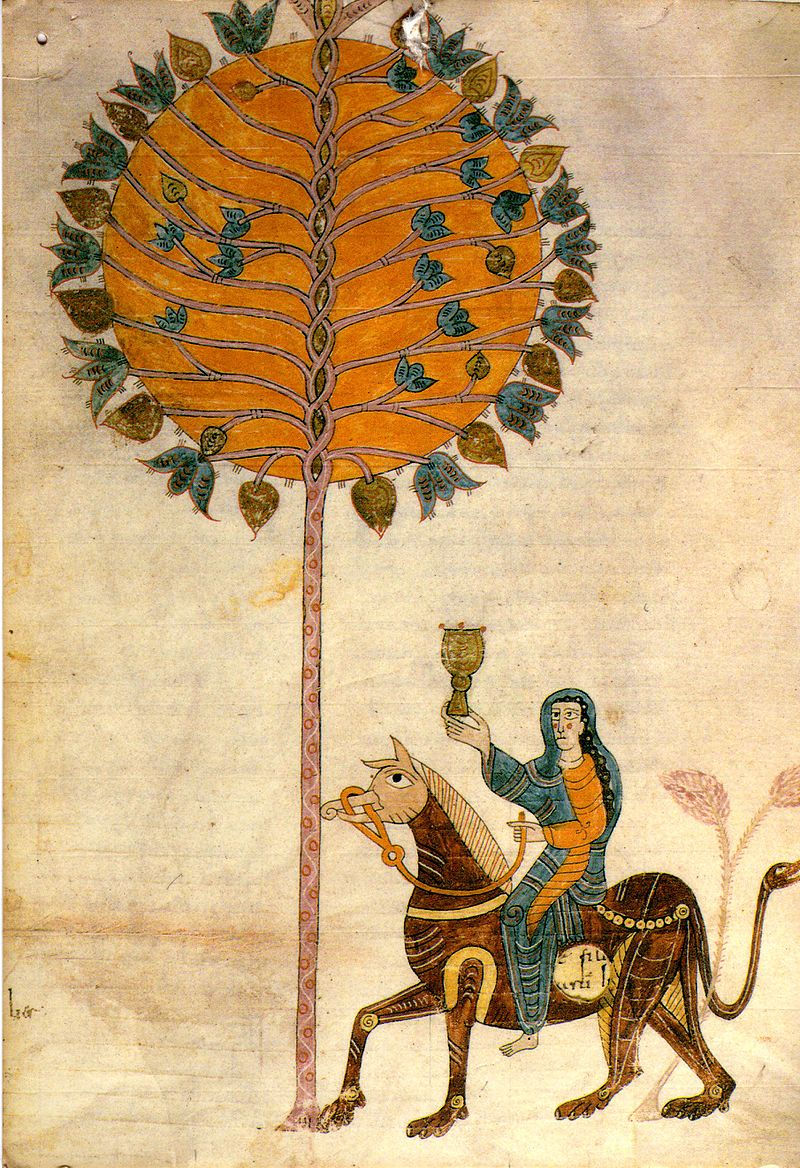
Estilísticamente sus trabajos están más próximos al Románico Visigodo, a pesar de haber sido ejecutados durante el periodo gótico alemán. En sus obras resaltan los colores primarios muy vivos y los textos caligráficos que incorpora dentro de la imagen.
Resulta muy creativa la solución que escogió a la hora de resolver el problema de la perspectiva de los fondos, mediante una especie de tapiz diseñado como un patrón e integrado con las figuras en la composición.
Es probable que falleciera hacia el año 1500.
Algunas de sus obras se conservan en la British Library de Londres, la Bibliothèque national de Strasbourg, el Deutsche Buch und Schrift Museum de Leipzig, la Badische Landesbibliothek Karlsruhe y la Staatliche Graphische Sammlung München.
On this day, around the year 1440, the manuscript illuminator Sibylla von Bondorf was likely born in Germany.
She was a Poor Clare nun who belonged to the Order of Poor Sisters at the convent of Saint Clara in Freiburg.
Currently, Sibylla von Bondorf is credited with at least 180 manuscript illustrations, the majority of which were created for books of hours and liturgical texts. Notably, her most outstanding works include the illumination cycles depicting the lives of Saint Francis (52 miniatures), Saint Clare (33 miniatures), and Saint Elizabeth (14 miniatures).
Stylistically, her work is closer to the Visigothic Romanesque, despite being executed during the German Gothic period. Her pieces stand out for their highly vivid primary colors and the calligraphic texts she incorporates directly into the imagery.
Her solution for tackling the challenge of background perspective was highly creative: she used a tapestry-like design as a pattern, seamlessly integrating it with the figures in the composition.
It is probable that she passed away around the year 1500.
Today, some of her works are preserved in prestigious institutions such as the British Library in London, the Bibliothèque nationale de Strasbourg, the Deutsche Buch- und Schriftmuseum in Leipzig, the Badische Landesbibliothekin Karlsruhe, and the Staatliche Graphische Sammlung in Munich.



Comentarios